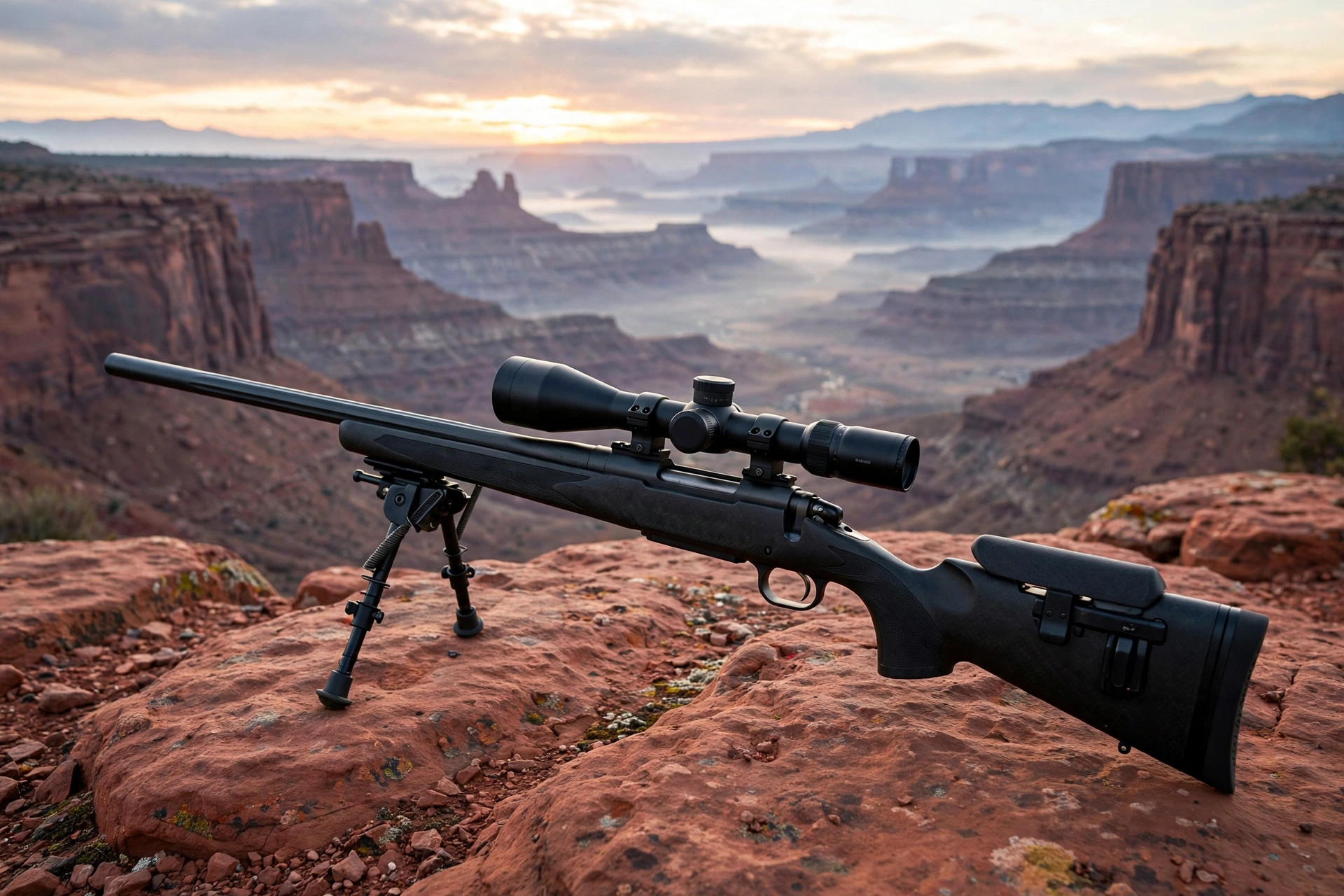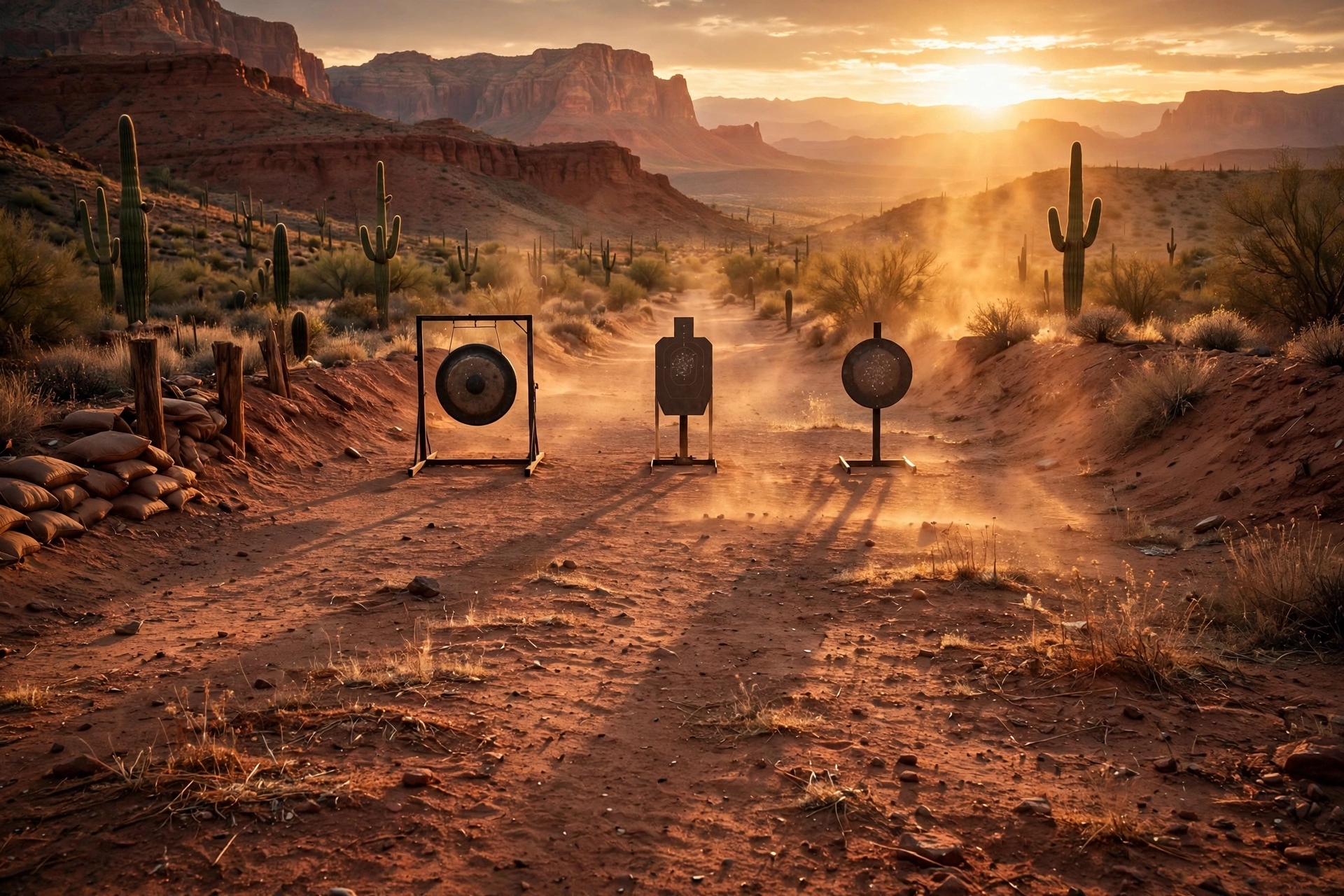
After Dark: When the Range Goes Quiet
Lights, night vision and steel after sunset — the after-hours side of American gun culture, under a desert sky.
Half of every day is night, and almost everything written about guns pretends otherwise. After Dark is GunNomad's night desk: weapon lights and how to actually use them, night vision and thermal as they move from exotic to attainable, and the strange, quiet discipline of shooting steel under a sky full of stars.
Night changes the examination completely. The pistol you know becomes a flashlight with a trigger problem to solve. Distances shrink and identification becomes the whole game — because at night, the question is never really whether you can hit. It is whether you can see, decide, and be sure, in the dark, under time pressure, with your heart doing percussion.
Light is a skill, not an accessory
The gear matters — output, candela, switching, the difference between a light that illuminates a room and one that reaches a fence line. But the gear is the tuition, not the education. Searching without muzzling what you haven't decided about, managing splashback off white walls, working a handheld light alongside a pistol: these are skills, they are perishable, and almost nobody practices them because almost nobody's range stays open after dark. Ours, editorially, never closes.
The quiet half of gun culture
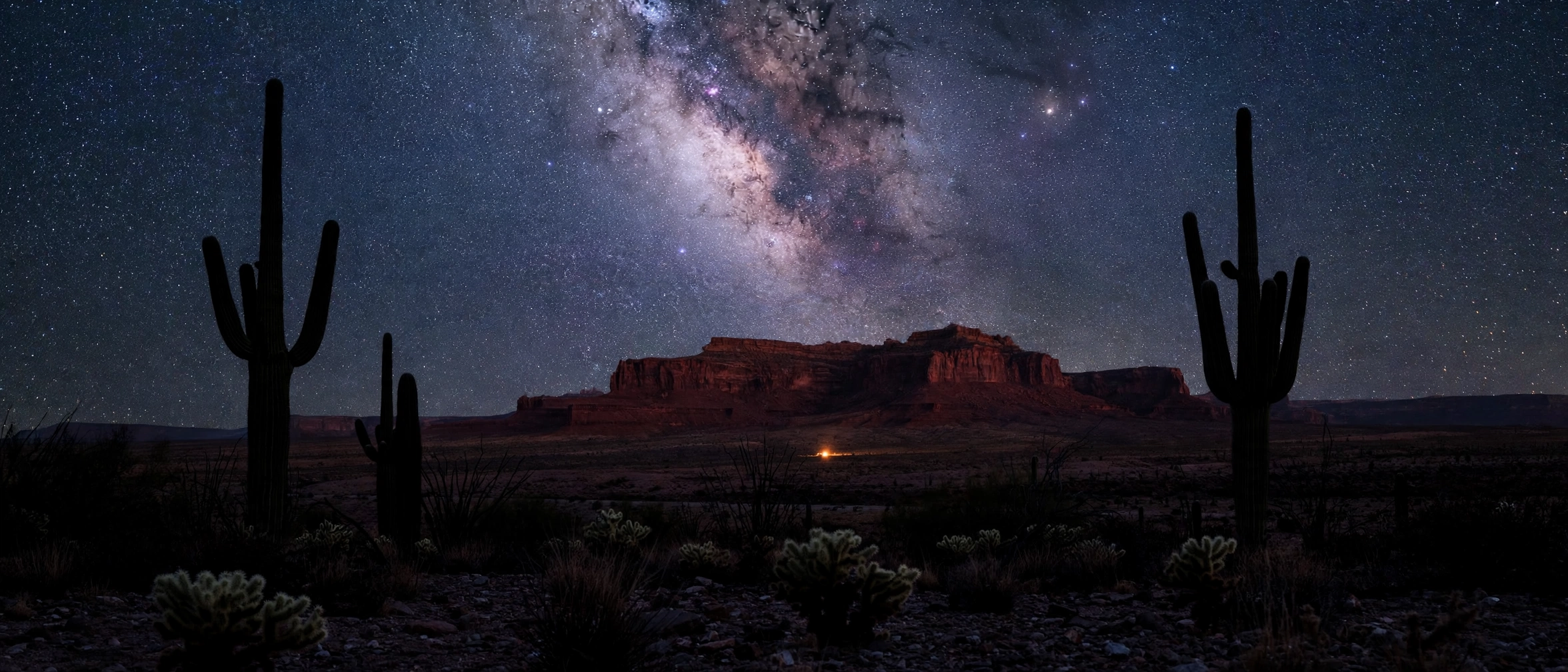
There is also this: night shooting in big country is beautiful in a way that has nothing to do with ballistics. The Milky Way over the range, the cold coming down off the rock, steel ringing into darkness and the sound arriving back a half-second later. After Dark covers the equipment of the night seriously — and refuses to pretend the night itself isn't half the reason to be out in it.